Table of Contents
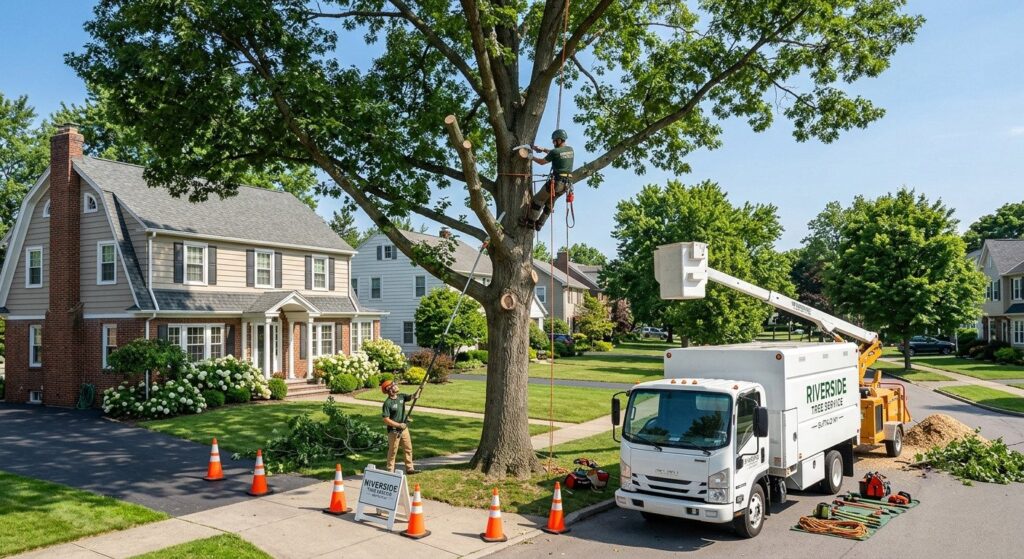
Trees do more than just add a nice touch to Buffalo properties; they bring shade, make your yard look great, bump up your home’s value, and give the neighborhood a little more fresh air. But none of that lasts if you don’t take care of them. Trimming is one of the basics, and honestly, a lot of people aren’t quite sure how often to do it, or if it really matters that much.
So here’s the deal: following a good trimming schedule protects your trees and your property. If you’re looking for a professional Tree trimming Service, Riverside tree services helps homeowners all around Buffalo keep their yards safe and their trees looking sharp, season after season.
Why Does Tree Trimming Actually Matter?
Tree trimming isn’t just about keeping branches neat. You’re getting rid of dead, weak, or sick branches before they can fall and do some real damage or spread disease. It lets sunlight and air weave through the canopy, which keeps your trees healthy.
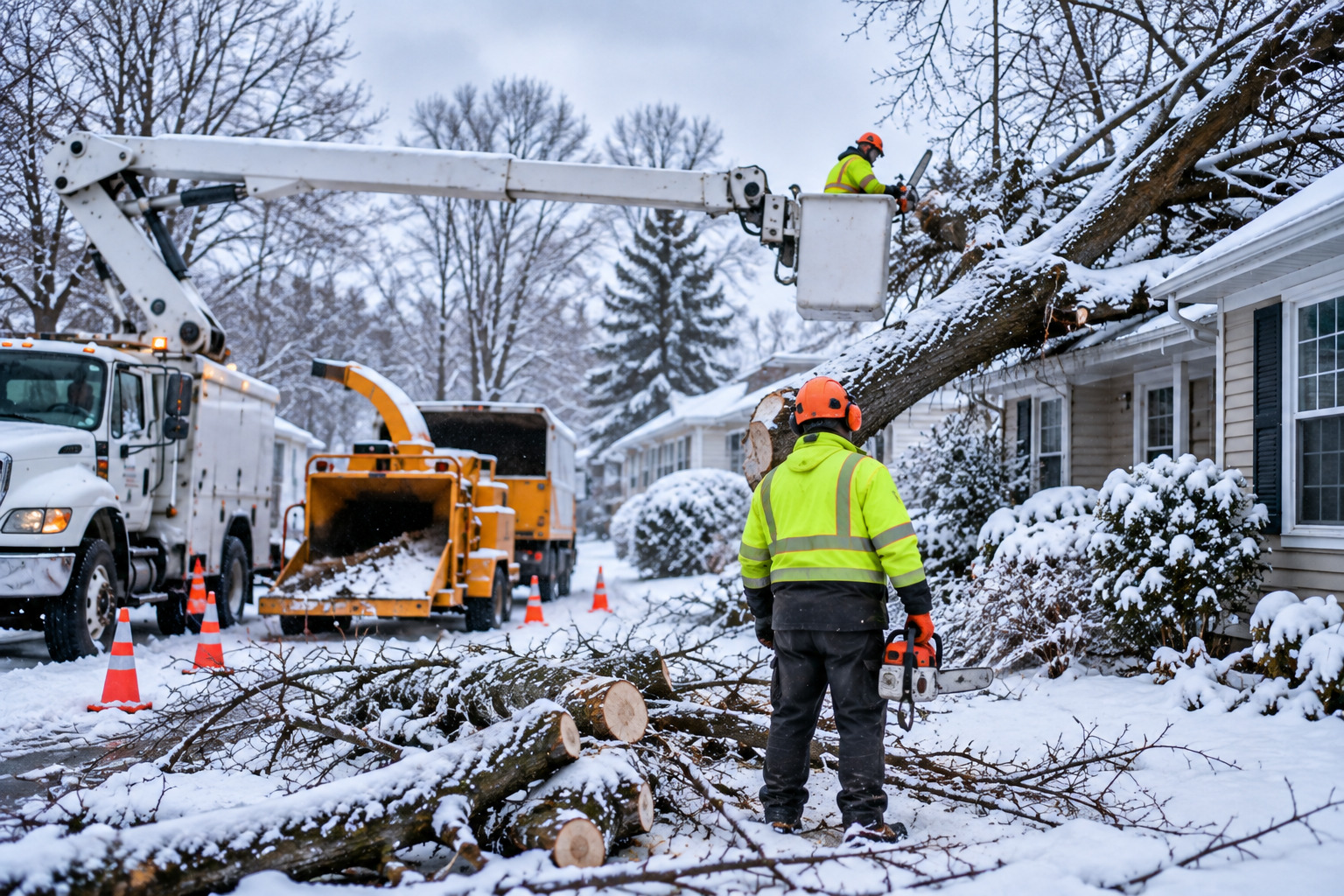
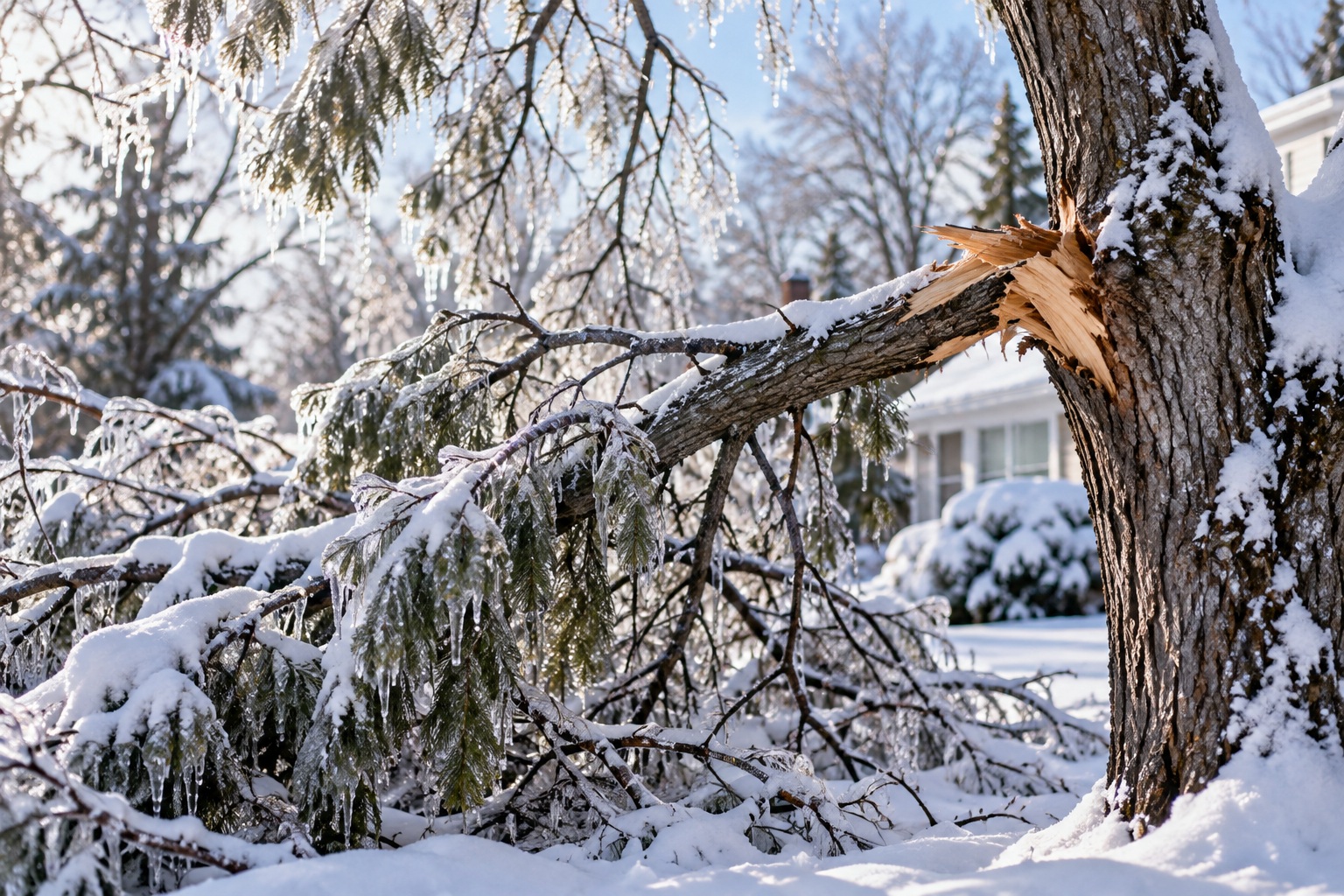
Regular trimming cuts down on the risk of falling branches in Buffalo’s famous wind, heavy snow, and wild storms. It also keeps limbs away from power lines, your roof, and the driveway.
When it’s done by someone who knows what they’re doing, trimming keeps your trees healthy and helps them live longer. That’s why many homeowners trust a professional Tree trimming Service to handle the job safely and correctly.
How often should trees be trimmed?
There’s no magic number for everyone, but here’s a good starting point:
Mature trees usually need a trim every three to five years. Young trees? Every two or three years is smart because the early years set their shape and strength for the future.
If your tree sits right next to your house, the sidewalk, or utility lines, check them more often. And if you see dead or broken branches, you don’t wait for a set date; just get them removed.
Working with a trusted tree service in buffalo NY, means your trees get what they need, when they need it, not just a one-size-fits-all plan.
Do tree species affect trimming frequency?
Absolutely. Fast growers need more attention than their slower cousins.
Take maples and willows, for example; they grow quickly and might need trimming every couple of years. Oaks grow at a slower pace and can often go four or five years between cuts.
If you’ve got fruit trees, yearly pruning helps produce better fruit and keeps the trees in good shape. Ornamental trees sometimes need a little extra love if you want to keep that perfect look.
Is annual trimming necessary?
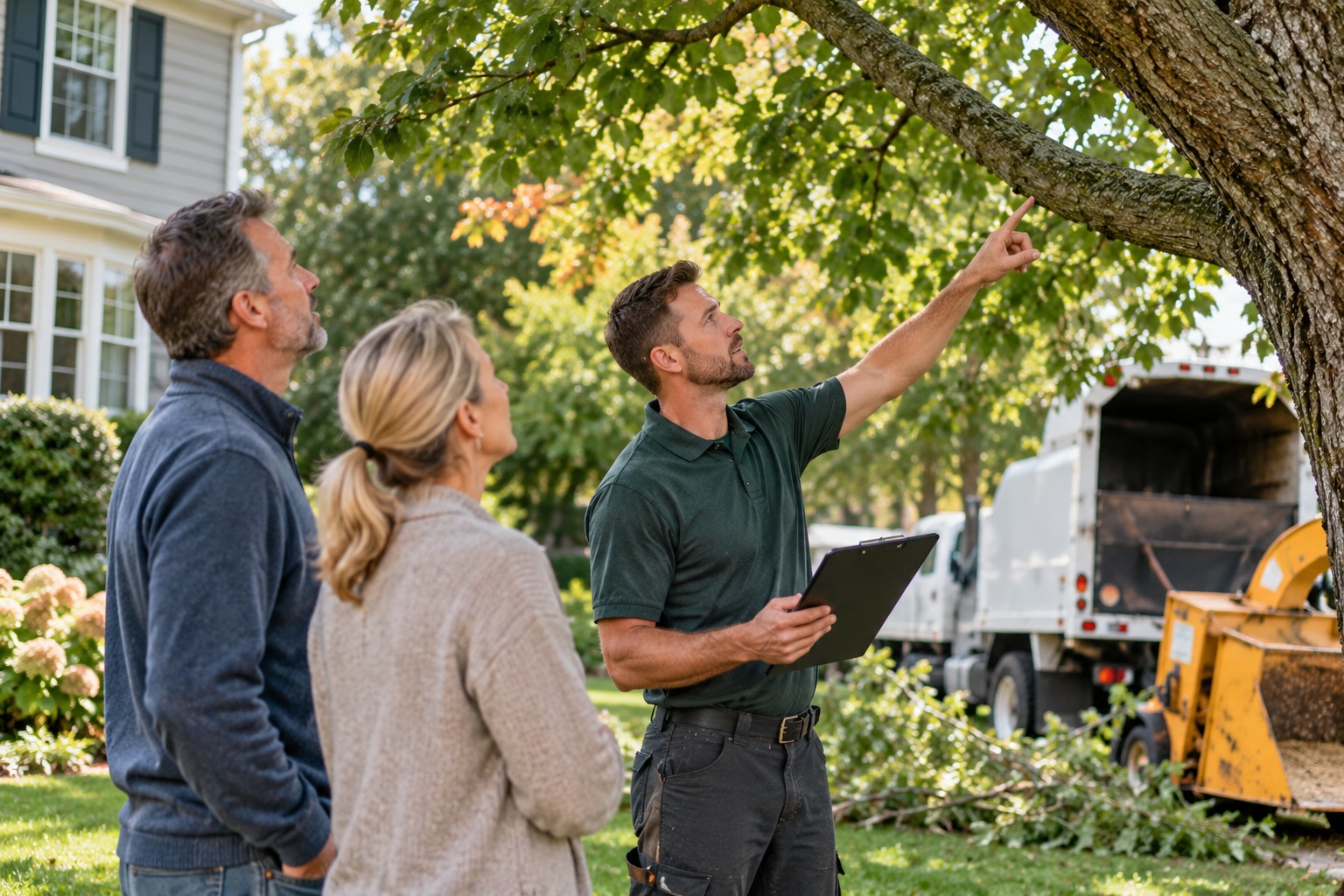
For most older trees, trimming every single year isn’t always needed. But a yearly inspection is a smart move. A good arborist spots early signs of trouble, disease, bugs, and broken spots before things get out of hand.
Some trees, especially young ones or those growing fast, might need annual shaping. But really, it’s best to follow a custom plan for each tree instead of just putting everything on a calendar.
So ask a qualified Tree trimming Service for advice. They’ll prevent unneeded pruning and give your trees just the right amount of care.
When is the best trimming season?
Usually, late winter into early spring works best for trimming. Trees are dormant, so you stress them less, and you set them up for a healthy start when it gets warmer.
Plus, with no leaves, it’s easier to see what needs to go. Weak limbs and overcrowded spots really stand out.
But here’s an exception: if you spot a dangerous branch or see storm damage or disease, don’t wait for the right season. Get it taken care of immediately.
Need help choosing the right time? Riverside tree services can check out your trees and figure out the best schedule for Buffalo’s weather.
Can over-trimming harm trees?
Yes, you can. Over-trimming might seem like you’re just tidying up, but you’re actually stripping the tree’s ability to produce food. That leads to stress, weak growth, and makes it easy for bugs and disease to move in.
Cutting back too much can also mess up its shape or make the tree unstable. In worst cases, you could actually kill it.
That’s why it pays to have someone experienced decide how much to remove. With a professional Tree trimming Service, you get healthy trees that still look natural, not awkward stubs.
Why Bring in a Professional to Trim Your Trees?
Sure, some jobs look simple, but tree trimming takes skill and the right gear. Certified climbers know how to keep trees healthy, find problems you’ll miss, and do the heavy lifting safely.
Getting a pro means you don’t have to climb ladders with chainsaws, and you don’t risk hurting your yard or your trees through mistakes.
Choosing a trusted Tree trimming Service also gives you peace of mind that the work is being done correctly.
What makes Riverside tree services Different?
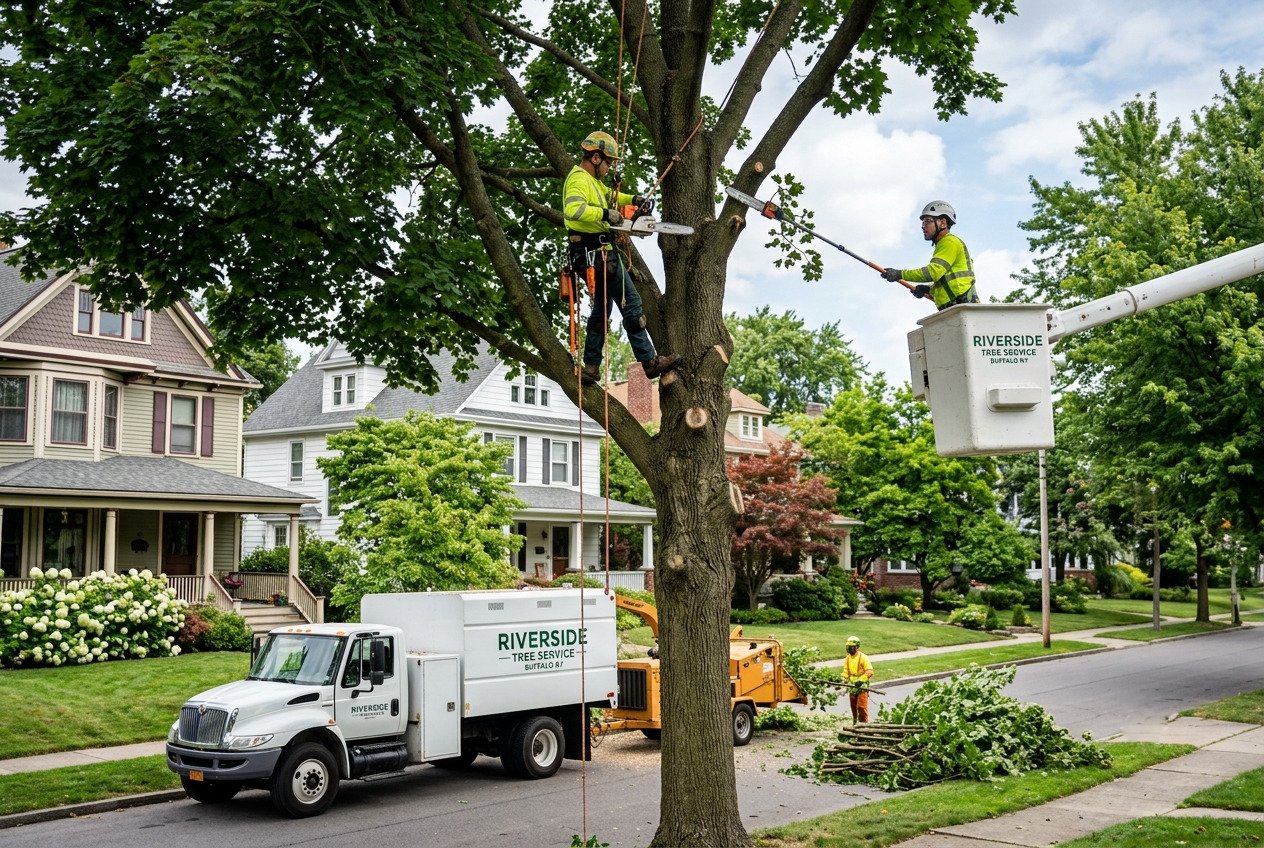
Tree work isn’t one-size-fits-all, and Buffalo has its own set of challenges. Our crew at Riverside Tree Services has seen it all and knows how to keep local trees healthy.
We cover inspections, routine shaping, big limb removals, and everything in between. Whether you need a fast fix after a storm or regular clean-up, you’ll get personal attention, reliable work, and results you can see.
If you’re searching for a dependable tree service in buffalo NY, Riverside Tree Services is ready to help. Your yard deserves the best, and we love showing what good tree care looks like.
The Bottom Line
Tree trimming is key to keeping Buffalo’s trees healthy and good-looking. Most older trees thrive with a trim every few years, but younger ones and certain species might need it more often. Inspections each year keep you ahead of disease and safety risks.
Letting a professional Tree trimming Service handle your trimming protects both your trees and your property and cuts out a lot of guesswork. When you need help, Riverside tree services has the experience to keep your yard thriving for years to come and remains a trusted tree service in buffalo NY.
FAQs
1. How often should trees be trimmed?
Older trees: every three to five years. Younger trees: every two to three years.
2. Do tree species affect trimming frequency?
Definitely fast growers need more frequent trims.
3. Is annual trimming necessary?
Not for every tree. But yearly inspections always help.
4. When is the best trimming season?
Late winter or early spring is ideal.
5. Can over-trimming harm trees?
Yes, too much cutting stresses trees and can let in disease.
6. Why bother with trimming at all?
It keeps trees safe, healthy, and helps them look their best.
7. What are the warning signs that a tree needs to be trimmed?
Look for dead or broken branches, thick canopies, or limbs near your house.