Table of Contents
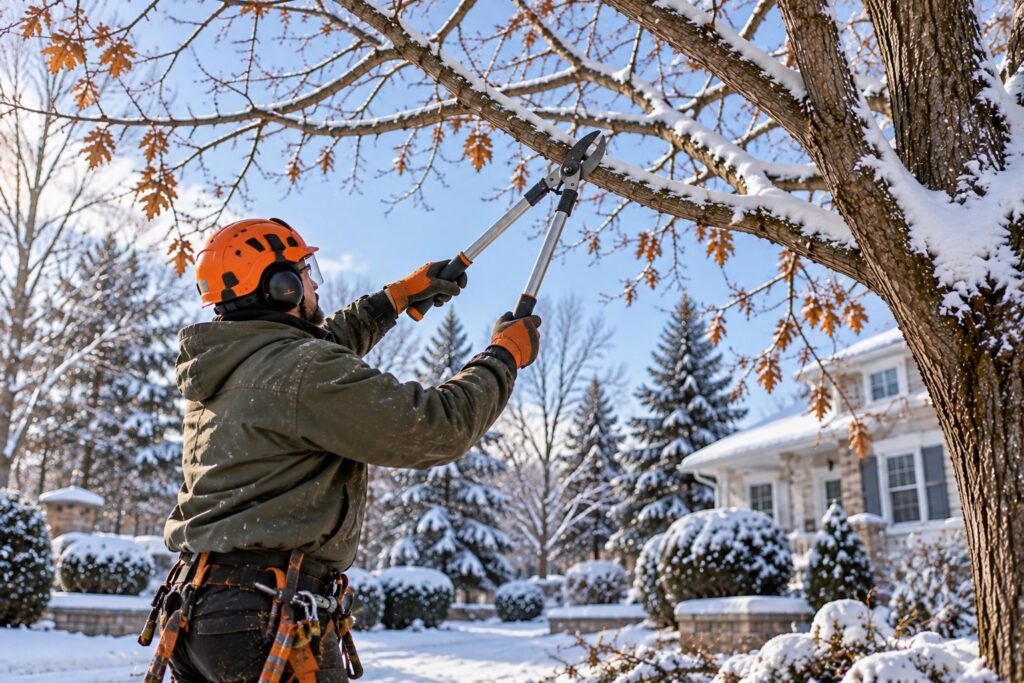
Ask ten homeowners in Western New York when to prune their trees and you will probably get ten different answers. Some swear by spring. Others say you should never touch a tree after Labor Day. The truth sits somewhere in the middle, because the right timing depends on the species, the weather, and what you want the pruning to accomplish. For many trees, the dormant season is a sweet spot. In this guide, Riverside Tree Service explains how timing works, which trees do well with cold-weather cuts, and how to get the most from a Tree Pruning Service before the heavy snow arrives.
What “Dormant Season” Actually Means
The dormant season is the stretch of the year when deciduous trees drop their leaves and stop actively growing. Sap flow slows down, energy is stored in the roots, and the tree is essentially resting. In the Buffalo area, that window usually opens after the first hard frosts in late fall and closes when buds start to swell in early spring.
This matters because a resting tree handles pruning cuts with less stress. It is not pushing out new leaves or shoots, so it has more reserves to seal the wound. Cold weather also keeps many insects and fungal spores inactive, which lowers the chance that a fresh cut becomes an entry point for trouble.
Benefits of Dormant Season Pruning
There is a reason arborists stay busy from late fall through winter. Here is what makes this time of year attractive:
- Clear visibility. Without leaves, the branch structure is easy to see, so weak unions, crossing limbs, and dead wood stand out.
- Lower stress on the tree. Cuts made while the tree is resting are generally easier for it to handle.
- Fewer pests and diseases active. Cold temperatures slow down many of the organisms that take advantage of open wounds.
- Lawn protection. Frozen ground can support equipment and foot traffic with less damage to your turf.
- Better scheduling. Many homeowners wait until spring, so winter calendars can be more flexible.
- A head start on spring. Cuts made before the growth surge give the tree time to begin healing as soon as it wakes up.
A professional Tree Pruning Service can take advantage of every one of these, which is why dormant season visits are so popular with people who plan ahead.
Dormant Season Timing at a Glance
Not every week of the dormant season is the same. Here is a rough guide to how the calendar plays out in Western New York.
| Period | Typical Conditions | Pruning Notes |
|---|---|---|
| Late fall | Leaves down, ground still firm | Excellent for hazard pruning and cleaning out dead wood |
| Midwinter | Snow, deep cold, short days | Good for many species, though weather can cause delays |
| Late winter | Thawing begins, buds still closed | Ideal for structural work on many hardwoods |
| Early spring | Buds swelling, sap rising | Avoid heavy cuts on species that bleed sap |
Weather in Buffalo rarely follows a schedule, so treat these as general windows rather than strict dates.
Not Every Tree Follows the Same Calendar
Here is where the advice you hear from neighbors can go wrong. A rule that works for one tree can be a poor choice for another. Some species bleed sap heavily when cut in late winter, which looks messy but is usually harmless. Others are sensitive to pruning during certain months because of disease risk. Flowering trees can lose an entire season of blooms if they are cut at the wrong time.
| Tree Type | Common Pruning Window | Things to Keep in Mind |
|---|---|---|
| Oak | Dormant season | Avoid spring and early summer, when disease risk rises |
| Maple | Late fall or summer | Sap may bleed in late winter, which is mostly cosmetic |
| Ash | Dormant season | Many ash trees are declining from pests, so get an assessment first |
| Birch | Mid to late summer | Tends to bleed heavily if cut in late winter |
| Spring-flowering trees | Right after blooming | Winter cuts can remove flower buds |
| Pine and spruce | Late winter | Light pruning only, since these do not regrow from old wood |
A good Tree Pruning Service will look at your specific trees and tell you honestly when each one should be cut. If the best window for a particular tree is summer, a trustworthy company will say so instead of squeezing it into winter just to fill the schedule.
Pruning Techniques You Should Know
When an arborist visits, you will likely hear a few terms. Here is what they mean in plain language:
- Cleaning. Removing dead, dying, or diseased branches. This is usually the top priority before winter.
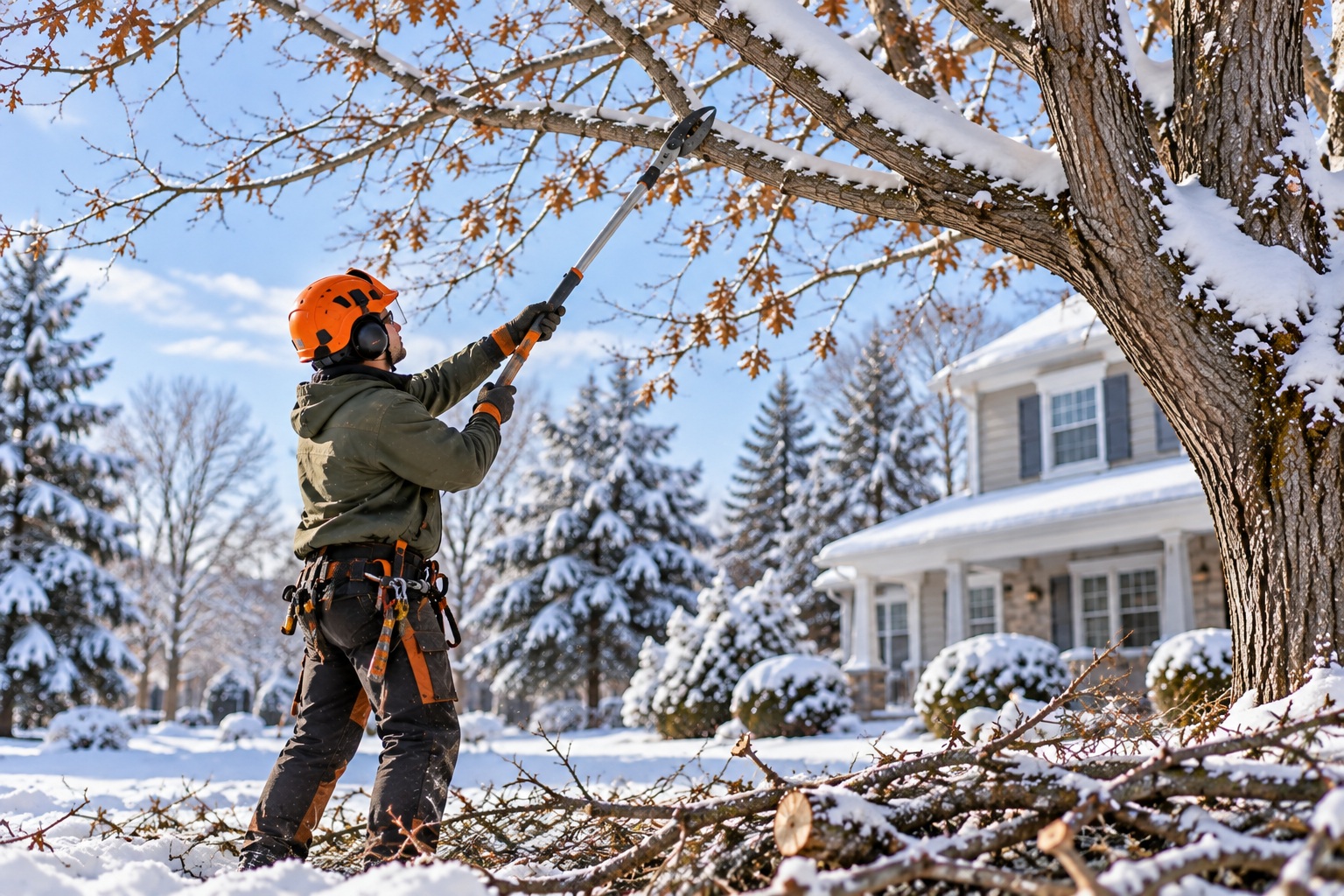
- Thinning. Selectively removing branches so wind, light, and snow can pass through the canopy more easily.
- Reduction. Shortening overextended limbs to lighten the load at the ends.
- Raising. Removing lower branches to clear walkways, driveways, or rooftops.
- Structural pruning. Guiding young trees so they develop a strong central trunk and well-spaced branches.
Each technique serves a different purpose, and most jobs combine two or three of them.
Signs Your Trees Are Ready for a Trim
You do not have to be an expert to spot trouble. Walk around your property and look up. Pay attention if you notice:
- Dead or leafless branches in an otherwise healthy tree
- Limbs rubbing against each other or scraping the roof
- Branches growing toward or touching power lines
- Cracks or splits where branches meet the trunk
- Heavy limbs that extend far from the trunk
- Dense growth that blocks light and airflow
- Damage left over from last winter’s storms
If you see more than one of these on the same tree, it is a good idea to schedule an inspection while the weather is still manageable.
How Pruning Helps Trees Survive Winter Storms
Buffalo is no stranger to lake-effect snow, freezing rain, and sudden gusts. Wet snow can add serious weight to a branch, and ice makes limbs brittle. A tree with weak attachments or dead wood is the first to lose a limb when conditions turn rough.
Pruning lowers that risk by removing the weakest parts before the storm does it for you. Thinning the canopy lets wind move through instead of pushing against a solid wall of branches. Clearing limbs away from the roof and utility lines also prevents expensive damage. No pruning plan can guarantee a tree will survive every storm, but a well-maintained tree usually has a better shot. This is one of the biggest reasons homeowners hire a Tree Pruning Service in the fall.
What Affects the Cost
Homeowners often want a quick number, but no two trees are the same. Pricing usually depends on these factors:
| Cost Factor | Why It Matters | What You Can Do |
|---|---|---|
| Tree size and height | Bigger trees take more time and equipment | Share the approximate size when you call |
| Amount of work | Light cleaning costs less than major reduction | Tell the crew your main goals |
| Access | Tight yards and steep slopes slow things down | Clear a path to the trees |
| Hazards nearby | Wires and rooftops require extra care | Point out your biggest concerns |
| Cleanup | Hauling and chipping add labor | Ask what is included in the estimate |
The most reliable way to know what a job will cost is a written estimate after an on-site visit. If you are comparing quotes, check that each one covers the same scope of work, including cleanup. A quote that looks cheap may leave out hauling, which can add up later.
Doing It Yourself vs. Hiring a Pro
Trimming a small shrub on a Saturday afternoon is one thing. Pruning a large tree is another. Ladders, chainsaws, and falling limbs cause serious injuries every year, and branches near power lines are especially dangerous. Poor cuts can also hurt the tree itself, leaving open wounds or encouraging weak regrowth that causes problems later.
Here are some common mistakes to avoid:
- Topping. Chopping main branches back to stubs weakens the tree and triggers fragile regrowth.
- Flush cuts. Cutting against the trunk instead of just outside the branch collar slows healing.
- Over-pruning. Removing too much canopy at once stresses the tree.
- Leaving stubs. Stubs decay and invite pests.
- Using wound paint. Research generally shows it is unnecessary.
For anything tall, heavy, or close to buildings, calling a Tree Pruning Service is the safer choice for you and for the tree.
How to Choose a Tree Pruning Service
Not every crew works to the same standard, so a little homework goes a long way. Before you hire, look for these qualities:
- Proof of liability insurance and workers’ compensation
- Trained climbers who follow recognized pruning standards
- A written estimate that explains exactly what will be cut
- Local references and honest customer reviews
- A willingness to explain the plan and answer questions
Be cautious of anyone who recommends topping, asks for full payment up front, or pressures you to decide on the spot. Door-to-door offers right after a storm deserve extra skepticism. A reputable Tree Pruning Service will welcome your questions and give you time to think it over.
What to Expect During a Visit
Knowing the process helps the day go smoothly. A typical visit from a Tree Pruning Service follows these steps:
- Inspection. The arborist looks at the tree’s health, structure, and surroundings.
- Plan and estimate. You receive a written scope of work and price.
- Setup. The crew protects the work area and positions ropes and equipment.
- Pruning. Branches are removed with proper cuts and lowered carefully when needed.
- Cleanup. Debris is chipped or hauled away, and the yard is raked.
- Walkthrough. You review the work and ask any final questions.
Most residential jobs take a few hours, though large trees or several trees on one property can take longer.
Getting Your Yard Ready
A little preparation helps the crew work faster and safer:
- Move cars, patio furniture, and decorations away from the work area
- Clear a path from the street to the trees
- Mark sprinkler heads, invisible fences, or buried lines
- Keep children and pets indoors while work is underway
- Point out your main concerns, such as limbs over the roof
- Let neighbors know if work may affect shared property lines
Pruning Myths Worth Clearing Up
A few ideas keep circulating around backyards, so here is the real story:
- “You should never prune in winter.” For many species, winter is a great time, as long as the tree and the weather cooperate.
- “Pruning paint helps wounds heal.” Trees generally close wounds better on their own when cuts are made correctly.
- “Topping makes a tree safer.” It does the opposite. Topped trees grow weak, fast shoots that break more easily.
- “If a tree looks fine, it is fine.” Internal decay and weak unions are often invisible from the ground.
Why Homeowners Choose Riverside Tree Service
Riverside Tree Service works with Western New York property owners through every season. Our Tree Pruning Service is built around honest advice, clear communication, and careful work that respects your yard. We walk the property with you, explain what we see, and tell you plainly when light pruning is enough and when a bigger step makes sense.
Our crews are trained, insured, and used to local winter conditions. Whether you need routine canopy care or storm-prep work, our Tree Pruning Service gives you a written estimate, a clear plan, and a tidy yard when we are done. And if a tree can wait until the right season, we will tell you that too.
Frequently Asked Questions
How much does a Tree Pruning Service cost?
It depends on the size of the tree, how much work is needed, access, and nearby hazards. A written estimate after an on-site visit is the most reliable way to know. Trees near wires or buildings usually cost more.
When is the best time to book a Tree Pruning Service?
Late fall is a popular choice because it lets you handle hazards before ice and snow arrive. Many species also do well with dormant season pruning in winter or late winter. Ask an arborist about the specific trees on your property.
Can trees be pruned when there is snow on the ground?
Often, yes. Light to moderate snow rarely stops the work, and frozen ground can make access easier. Crews may postpone for ice, strong wind, or poor visibility, since safety comes first.
How often should trees be pruned?
Most mature trees benefit from a professional check every one to three years. Young, fast-growing, or storm-damaged trees may need attention more often.
Will pruning hurt my tree?
Proper pruning helps it. Correct cuts made at the right time support health and structure. Problems come from topping, over-pruning, and poor technique.
Do I need a permit to prune a tree?
It depends on your municipality and the tree’s location. Street trees and protected species often have rules, so check with your local office or ask your tree company to guide you.
Final Thoughts
Good timing makes pruning easier on your trees and easier on your schedule. The dormant season gives you clear visibility, firm ground, and a head start on spring, and a little planning now can prevent a lot of stress when the first big storm rolls in. If you are ready to talk about your trees, contact Riverside Tree Service to schedule an inspection and set up a Tree Pruning Service that fits your property and your calendar.