Table of Contents

Western New York is full of mature trees, and they are part of what makes our neighborhoods so appealing. But age, pests, and harsh weather mean some trees eventually become a risk. Certain species and conditions show up again and again when homeowners call about Tree removal Buffalo NY. In this guide, Riverside Tree Service explains which trees most often need to come down, how to tell if yours is one of them, and how to choose a Tree removal Service you can trust.
Trees That Commonly Cause Concern
Any tree can develop problems, but some are more likely to become hazards in our climate. Here are the usual suspects:
- Ash trees damaged by emerald ash borer, an invasive insect that has affected ash trees across Western New York
- Silver maples, which often have brittle wood and weak branch attachments
- Willows, which grow fast and have shallow, aggressive roots that can reach pipes and foundations
- Callery pears, which tend to split at branch joints as they mature
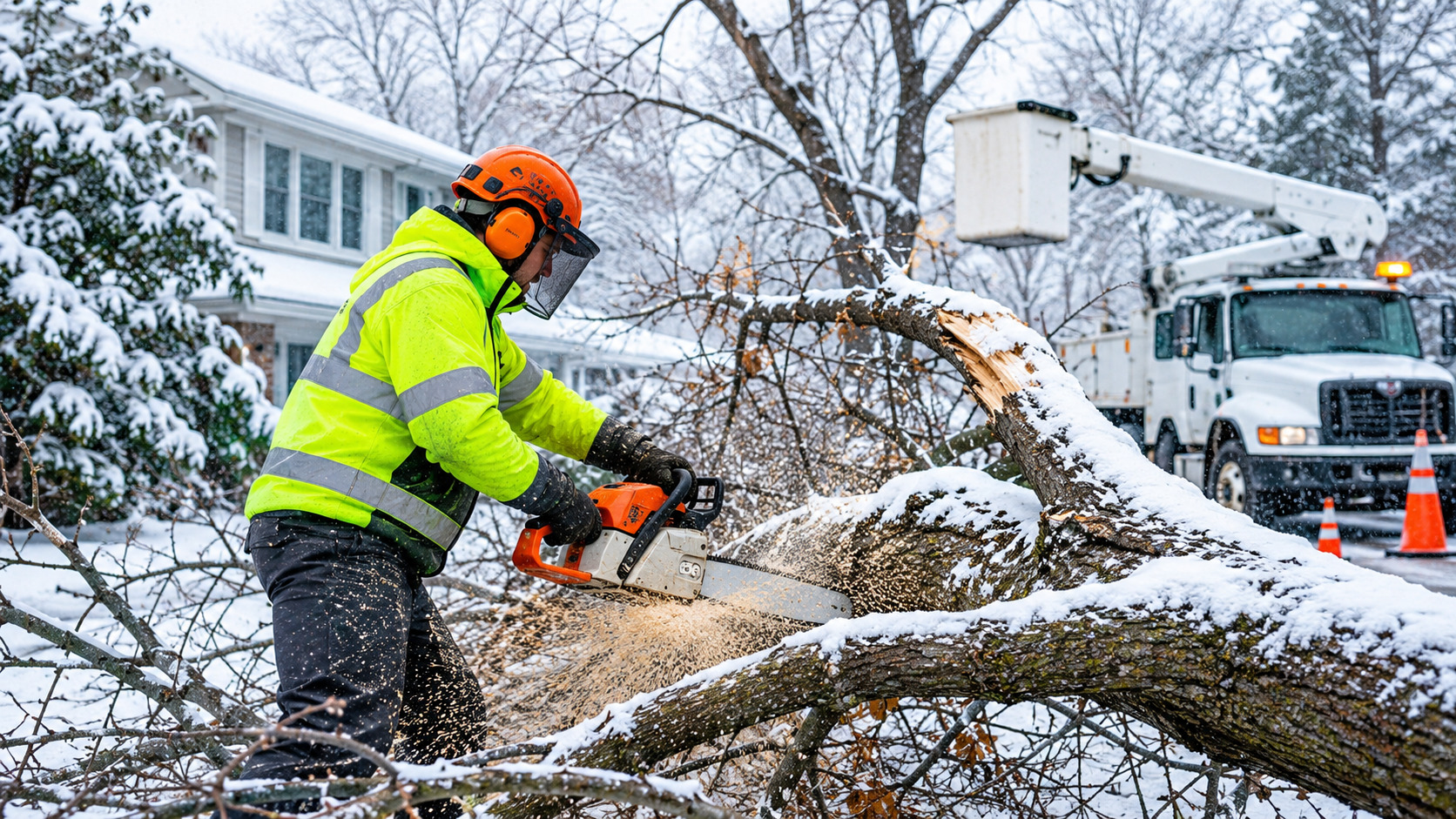
- Storm-damaged trees of any species, especially after heavy snow, ice, or wind
- Older trees with internal decay, which may look healthy from the outside
- Trees planted too close to a house, garage, or utility line
Having one of these trees does not mean it must be removed. It means it deserves a closer look from a qualified arborist.
Quick Reference by Tree Type
| Tree Type | Common Concern | Typical Next Step |
|---|---|---|
| Ash | Pest damage and dead, brittle wood | Inspection, often removal if declining |
| Silver maple | Weak limbs and storm breakage | Pruning or removal depending on condition |
| Willow | Invasive roots and short lifespan | Evaluate root impact on structures |
| Callery pear | Splitting at branch unions | Structural pruning or removal |
| Storm-damaged tree | Cracks, hangers, or lean | Prompt professional assessment |
| Tree too close to home | Roof, wall, or foundation conflict | Consult an arborist about options |
An on-site visit always gives the clearest answer, since species is only one part of the picture.
Warning Signs That Apply to Any Species
Walk around your yard and look up at each large tree. These signs suggest a problem is developing:
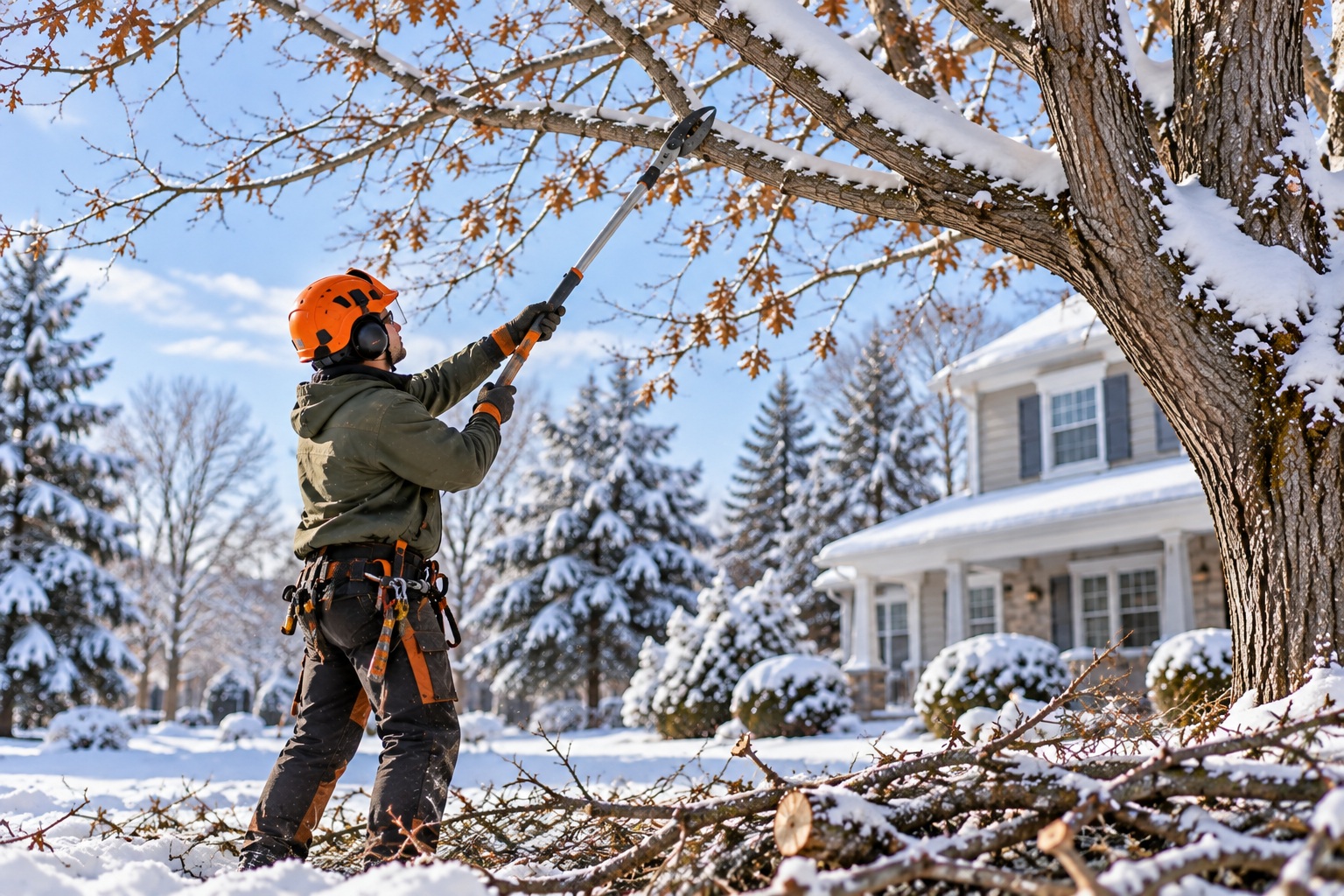
- Dead branches or a crown that is thinning out year after year
- Deep cracks, splits, or hollow areas in the trunk
- A lean that is increasing, especially with lifted or cracked soil near the roots
- Mushrooms or fungus growing at the base
- Bark peeling away in large sections
- Roots that are heaving, exposed, or damaged by construction
- Large limbs hanging over a roof, driveway, or power line
If you notice more than one of these, schedule an inspection before the next storm.
Why a Professional Opinion Matters
It is easy to assume a tree is fine because it still has leaves, or doomed because it looks rough. Neither guess is always right. An arborist examines the trunk, roots, and canopy, and checks for signs that are hard to see from the ground. Before committing to Tree removal Buffalo NY work, a professional evaluation can tell you whether pruning, cabling, or monitoring would solve the problem instead. Saving a healthy tree is always better than taking it down unnecessarily.
How to Choose the Right Company
Tree work is dangerous, and the company you hire matters as much as the plan. When you compare any tree removal service Buffalo NY provider, look for these qualities:
- Proof of liability insurance and workers’ compensation
- Trained climbers and well-maintained equipment
- A written estimate that clearly lists what is included
- Local references and honest customer reviews
- Willingness to explain alternatives to removal
Be cautious of door-to-door crews, especially after storms. Avoid anyone who asks for full payment up front, pressures you to decide on the spot, or suggests topping a tree. A reputable Tree removal Service will welcome your questions and give you time to think.
What Affects the Cost
No two jobs are exactly alike, so a flat price is rarely realistic. Tree removal Buffalo NY pricing generally depends on:
- The height and trunk diameter of the tree
- Its distance from buildings, fences, and utility lines
- Access for equipment, such as narrow gates or steep yards
- The condition of the wood, since decayed trees can be riskier to cut
- Add-ons like stump grinding and wood hauling
- Weather and ground conditions on the day of the job
A written estimate is the best way to compare options fairly.
What Happens on Removal Day
A typical visit from a tree removal service Buffalo NY crew follows a clear sequence:
- Inspection. The arborist reviews the tree and the surrounding area.
- Planning. The crew picks the safest method and marks the drop zone.
- Setup. Ropes, protective gear, and equipment are positioned, and the area is secured.
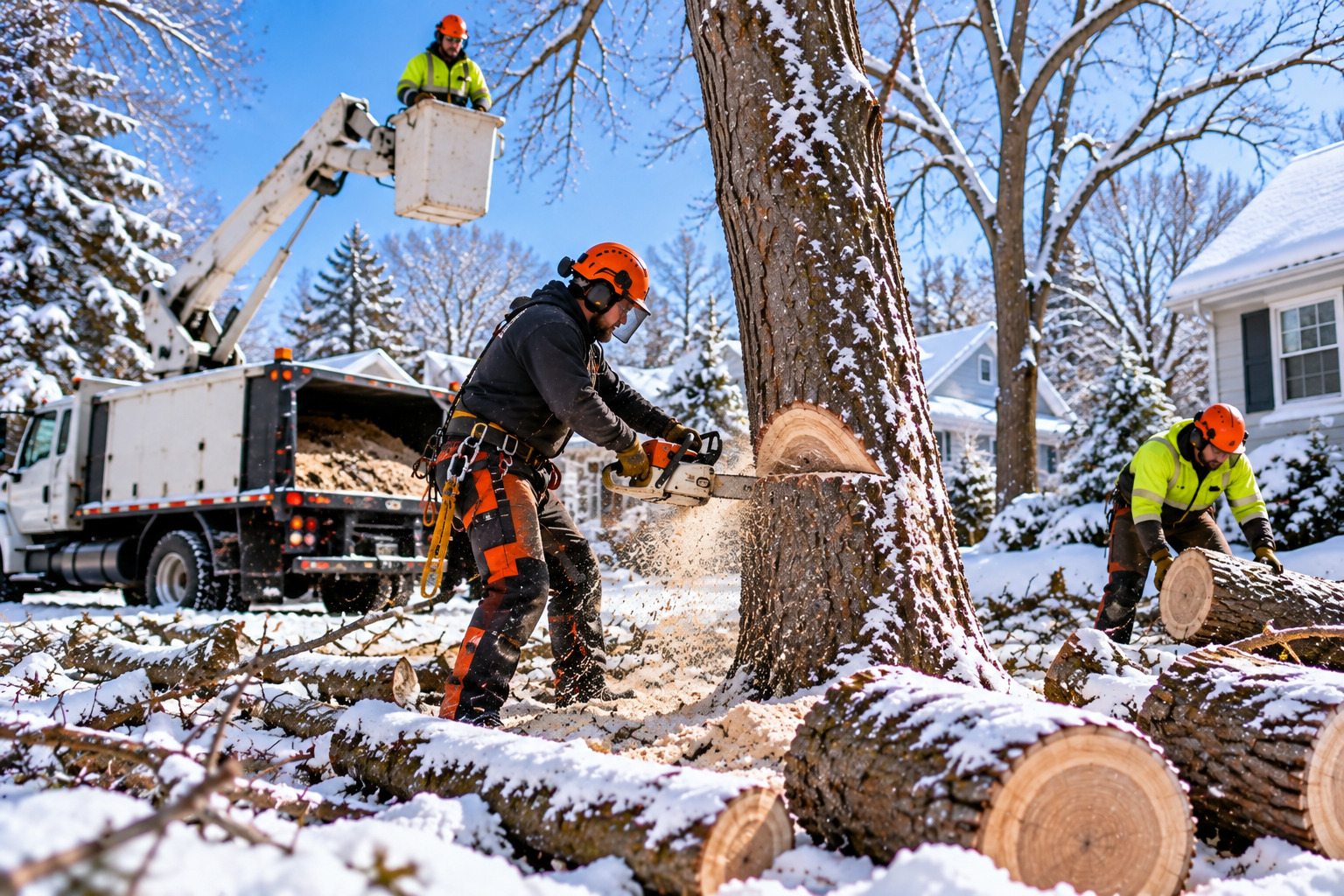
- Removal. The tree is lowered in controlled sections or felled whole when space allows.
- Cleanup. Branches are chipped, logs are hauled or cut, and the yard is raked.
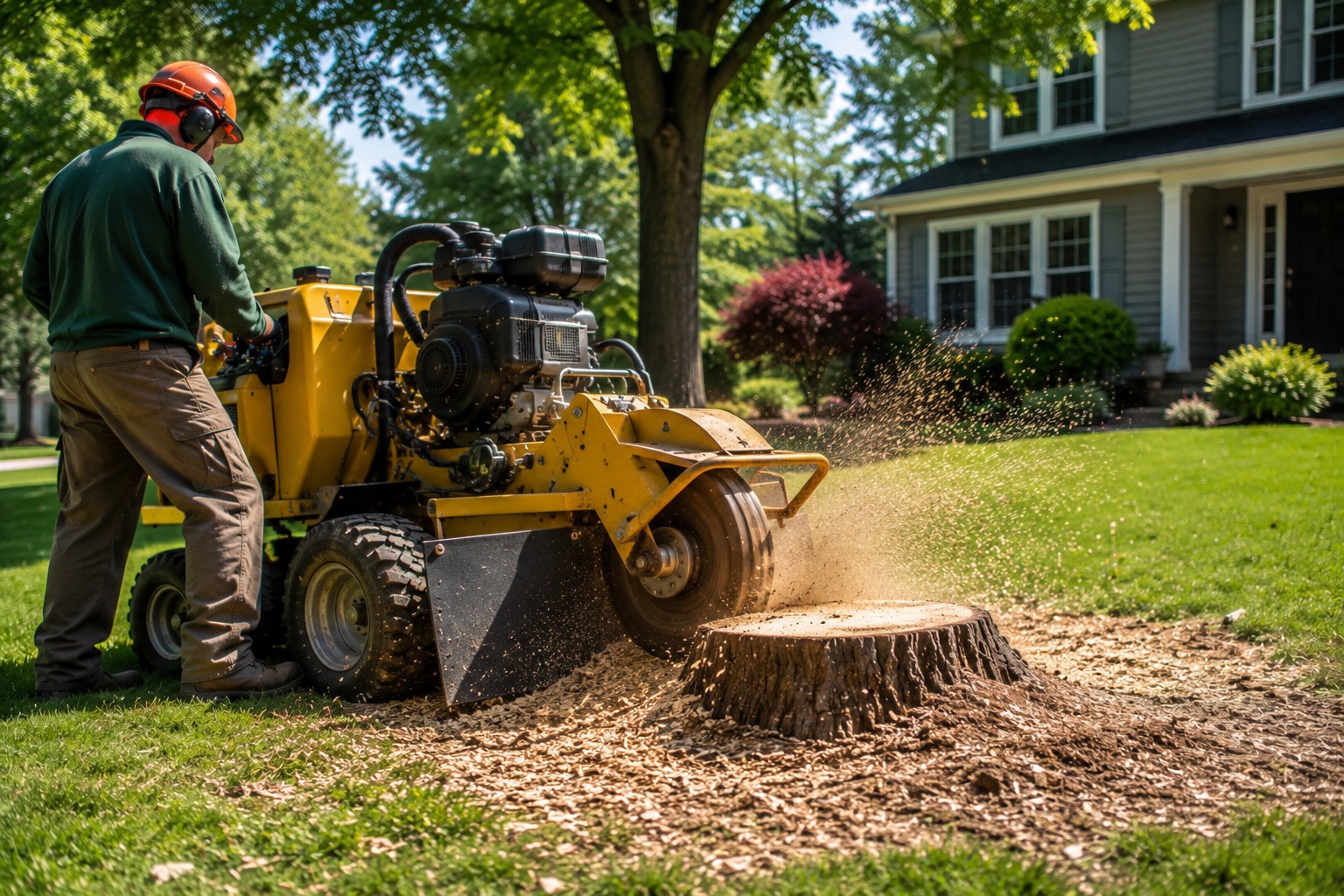
- Optional stump grinding. This clears the space for replanting or landscaping.
Preparing Your Property
A little preparation makes the day safer and smoother:
- Move vehicles, patio furniture, and decorations out of the work area
- Clear a path from the street to the tree
- Mark sprinkler heads, invisible fences, or buried lines
- Keep children and pets indoors
- Let neighbors know in advance, especially if limbs overhang shared fences
Permits and Property Lines
Rules differ across Erie County, so check with your town or city before work begins. Street trees, protected species, and properties in historic districts may need approval. Any reliable Tree removal Service can point you in the right direction. If a tree sits on a property line, talk with your neighbor early about responsibility and cost. Homeowners insurance may cover some tree damage, but coverage depends on your policy, so confirm the details with your provider.
Planning for Replacement
Once a tree is gone, you have a chance to improve your landscape. Choose a replacement that fits the space, soil, and sunlight, and ask an arborist how far to plant from the house and utilities. Planting a variety of species also makes your yard more resilient to future pests and storms.
Why Homeowners Choose Riverside Tree Service
Riverside Tree Service works with Western New York property owners through every season. We provide Tree removal Buffalo NY customers can rely on, from a single backyard tree to hazardous trees near buildings. Our tree removal service Buffalo NY team is trained, insured, and familiar with local conditions. We give honest assessments, clear written estimates, and careful cleanup, and we will tell you plainly when a tree can be saved.
Frequently Asked Questions
How do I know if my tree is dead?
Look for brittle twigs that snap easily, bark that peels away, and no new leaves during the growing season. An arborist can confirm with a closer inspection.
What should a Tree removal Service include in its estimate?
A good estimate lists the work to be done, cleanup details, and whether stump grinding or wood hauling is included. Ask for everything in writing.
Can I remove a tree myself?
It is not recommended. Falling limbs, chainsaws, and tension in the wood cause serious injuries. Hiring a trained crew is the safer choice.
How do I find a tree removal service Buffalo NY homeowners trust?
Verify insurance, read local reviews, request written estimates, and choose a company that explains its recommendations clearly.
Is winter a good time to take down a tree?
Often, yes. Frozen ground protects your lawn, and bare branches make the structure easier to see. Crews may postpone for ice or strong wind to keep everyone safe.
Final Thoughts
Knowing which trees tend to cause trouble helps you act before a problem becomes an emergency. Check your trees regularly, learn the warning signs, and get a professional opinion when something looks wrong. When you are ready to move forward, contact Riverside Tree Service to schedule an inspection and talk through your options with a Tree removal Service that puts safety first.